
Fuel administration is an essential part of present-day culture, controlling transportation, farming, and industry. The fuel business is responsible for removing, refining, and conveying the energy sources that power our reality. Fuel administrations incorporate a wide scope of exercises, including fuel obtainment, transportation, stockpiling, and dispersion. These administrations are given by different organizations, including fuel retailers, transportation organizations, and energy providers. Fuel acquisition includes the obtaining and buying of unrefined components used to make fuel items. This can incorporate unrefined petroleum, flammable gas, coal, and different assets.
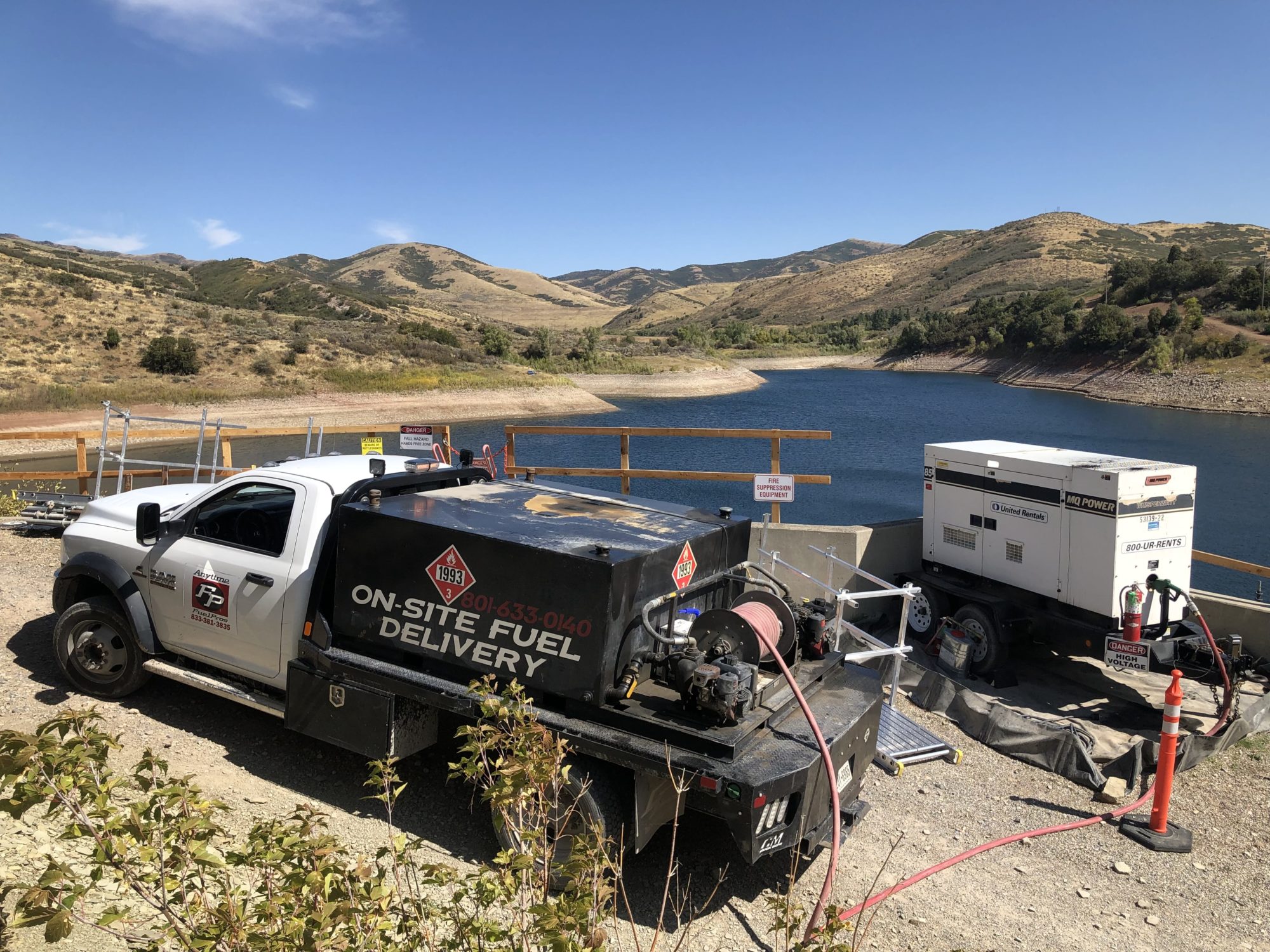
anytime fuel pros Fuel organizations work to get dependable sources of these materials, frequently through long-haul contracts with providers. Lately, there has been a rising spotlight on the manageability of fuel acquisition, with organizations hoping to diminish their dependence on petroleum products and progress towards environmentally friendly power sources. When the natural substances have been obtained, they should be refined into usable fuel items. This cycle includes the division of various parts of the unrefined components through a progression of compound cycles. The subsequent fuel items are then tested to guarantee that they satisfy industry guidelines for quality and security.
Transportation is a basic part of fuel administration, as it includes moving fuel items from processing plants to dispersion centers and, at last, to end clients. This can include shipping fuel by pipeline, big hauler truck, or rail. Transportation organizations assume an essential role in the fuel business, as they are liable for guaranteeing that fuel items are conveyed securely and effectively. Capacity is one more significant part of fuel administration, as fuel items should be put away securely and safely before they can be disseminated to end clients. Fuel organizations commonly keep up with enormous storage spaces, which can incorporate tanks, pipelines, and terminals. These offices are intended to guarantee that fuel items stay steady and free from defilement.
Dispersion is the last phase of fuel benefits and includes conveying fuel items to end clients. Fuel retailers are responsible for disseminating fuel to shoppers, either through their own retail stores or through associations with different organizations. Energy providers may likewise circulate fuel items to modern clients, for example, power plants or production lines.
These rules are intended to safeguard the two specialists and the climate and guarantee that fuel items are delivered and dispersed securely and mindfully. As of late, there has been a rising spotlight on the role of fuel administration in environmental change. The utilization of petroleum products is a significant supporter of ozone-depleting substance outflows, and there is developing tension in the fuel business to progress towards environmentally friendly power sources.
Many fuel organizations are putting resources into environmentally friendly power innovations, like breeze and sun-based power, and are investigating better approaches to decrease their carbon footprint. All in all, fuel administration is a basic part of current culture, driving transportation, farming, and industry. The fuel business encompasses an expansive scope of activities, including fuel obtainment, transportation, stockpiling, and dispersion. Administrative bodies work to guarantee the wellbeing and manageability of fuel administrations, while there is an expanding strain on the business to progress towards environmentally friendly power sources. As our reality keeps on developing, fuel administrations will keep on assuming a fundamental role in gathering the energy needs of society. As new advancements arise and interest in practical energy sources develops, the fuel business should adjust and develop to address these difficulties. The fate of fuel administrations will be determined by development, supportability, a pledge to go somewhere safe and secure, and obligation.
For More Info:-