
The pen, a seemingly humble writing instrument, has a rich and fascinating history of pen that spans thousands of years. From its humble beginnings as a primitive tool for marking surfaces to the sophisticated and diverse writing instruments we use today, the evolution of the pen is a testament to human ingenuity and the quest for efficient communication.
The earliest known pens date back to ancient civilizations, where scribes and scholars relied on reed brushes to inscribe symbols onto various surfaces. Ancient Egyptians, for example, used reed brushes to write on papyrus scrolls, while the Greeks and Romans employed similar tools made from materials like bamboo and feathers.
These early pens were functional but lacked the precision and durability required for more intricate writing tasks.
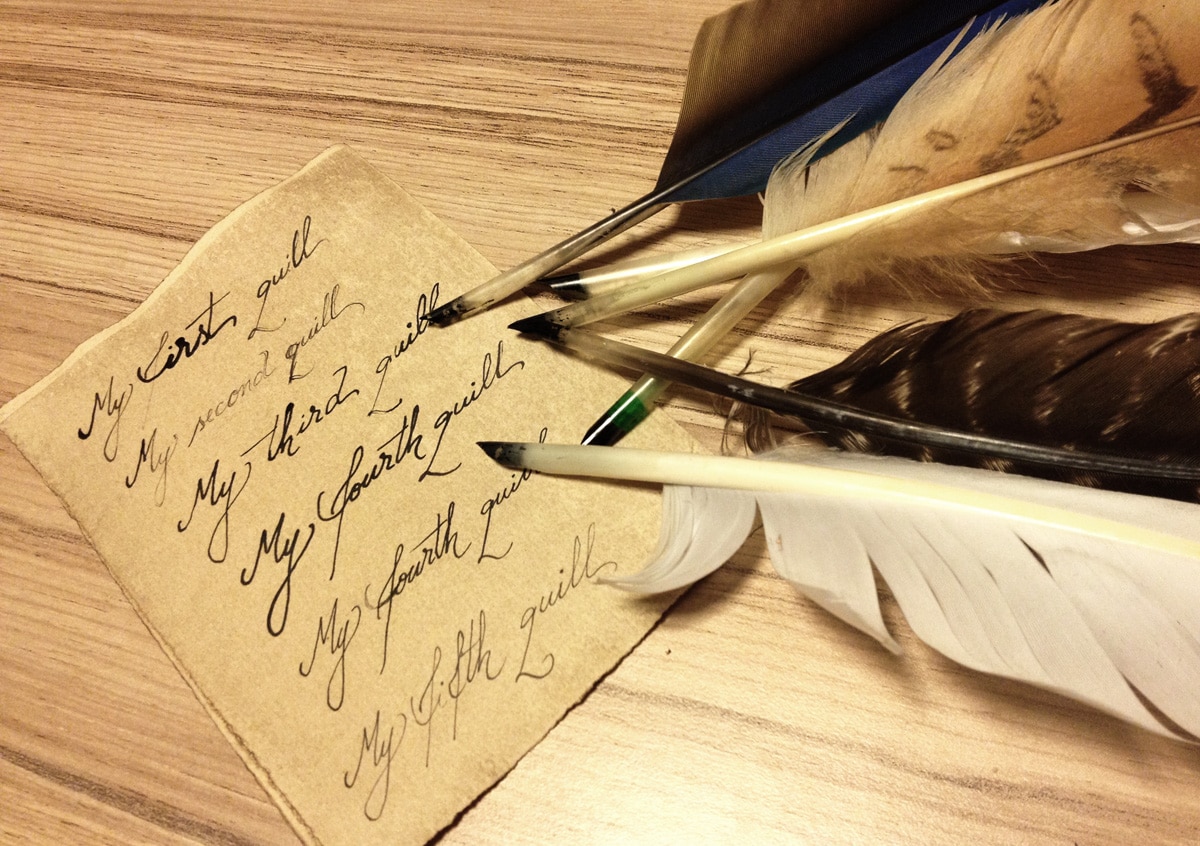
The Middle Ages saw a significant advancement in pen technology with the introduction of quill pens. Crafted from the flight feathers of large birds such as swans and geese, quill pens offered a finer point and greater flexibility, allowing scribes to produce more detailed and intricate manuscripts. The quill pen became the writing tool of choice for centuries, demonstrating its enduring influence on the art of handwriting.
In the 19th century, the invention of the metal nib marked a pivotal moment in the evolution of the pen. Nibs made from materials like steel provided a more durable and consistent writing experience compared to quills. The advent of the industrial revolution also enabled mass production, making pens more accessible to the general population. This era saw the rise of the fountain pen, which utilized a reservoir of ink to feed the nib, eliminating the need for constant dipping.
The 20th century witnessed further innovation in pen design with the introduction of the ballpoint pen. Laszlo Biro, a Hungarian-Argentinian journalist, patented the first successful ballpoint pen in 1938. This revolutionary design featured a tiny ball bearing at the tip that rotated as it moved across paper, drawing ink from a reservoir and onto the page. Ballpoint pens quickly gained popularity for their reliability and convenience, becoming a staple in offices and households worldwide.
In the digital age, the pen has undergone yet another transformation. Stylus pens, designed for use on touchscreens, have become essential tools for navigating smartphones and tablets. These electronic custom plastic pens simulate the experience of traditional writing while providing the convenience of digital input. With advancements in technology, smart pens are now capable of recording handwritten notes, translating languages, and even digitizing sketches in real-time.
Despite the digital revolution, traditional pens continue to hold a special place in the hearts of enthusiasts. Fountain pens, in particular, have experienced a resurgence in popularity among those who appreciate the tactile experience of writing with ink on paper. The market for luxury and artisanal pens has also flourished, with craftsmen creating unique, handcrafted pens using a variety of materials, including precious metals and exotic woods.